
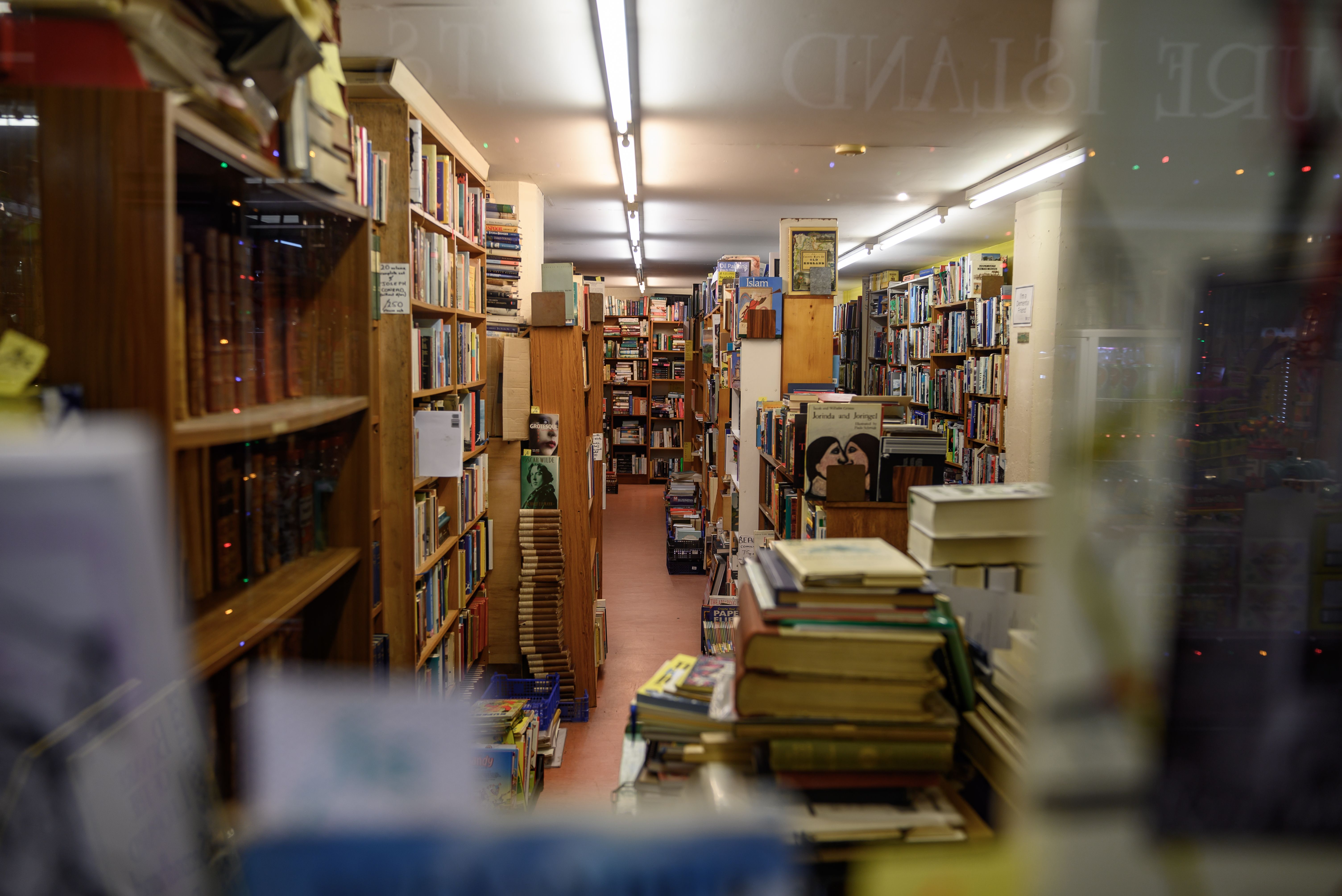
Books outlive their first sale, and the trade that handles them afterwards is larger and more organised than most readers assume.
Sources of stock
House clearances, library discards, charity donations and remainder purchases.
Which arrive in bulk and require sorting.
Most donated books have little resale value, which is the trade's central problem.
Sorting economics
Identifying the small proportion worth listing.
Which is labour-intensive and is increasingly assisted by scanning against price databases.
Books not worth listing are recycled or pulped.
Online marketplaces
Aggregating inventory from thousands of dealers.
Which made almost any book findable.
It also compressed prices for common titles to near nothing.
The penny book phenomenon
Common titles listed at nominal prices with the margin in shipping credit.
Which is viable only at very high volume with automated processes.
This has squeezed traditional dealers substantially.
Rare and antiquarian
A separate trade concerned with edition, condition and provenance.
Which requires expertise and holds value that general used bookselling does not.
Professional associations set standards for description and authenticity.
Condition grading
Standardised terms describing wear.
Which are applied inconsistently by non-specialist sellers.
Descriptions from established dealers are considerably more reliable.
Charity shops
A substantial volume of used books at low prices.
Which subsidises charitable activity and provides very cheap reading.
Valuable items are frequently identified and routed to specialist sale.
Environmental effect
Reuse extends a book's life indefinitely and produces no royalty, which is the standard tension in secondary markets.
Book scouting
Buyers identifying valuable stock at sales and shops.
Which was a specialist skill and is now assisted by price-checking applications.
Some venues restrict scanning devices in response.
Print history
First editions, printings and states determine value in the collectible trade.
Which requires knowing how to identify them.
Bibliographic references documenting these points exist for major authors.
Condition
Dust jacket presence and condition frequently determines most of a collectible book's value.
Which surprises people encountering the trade.
A jacketed copy can be worth many times an unjacketed one.
Signed copies
Author signatures add value where authenticated.
Which is why provenance matters.
Signed first editions of major works command substantial premiums.
For readers
Used books are the cheapest route to reading widely, and online marketplaces make almost anything findable.
Fair pricing
Online marketplaces made price comparison instant.
Which compressed margins and improved buyer information simultaneously.
Specialist knowledge still commands a premium in the rare trade.
Book fairs
Antiquarian fairs where dealers and collectors trade.
Which remain central to the rare book trade.
Association-run fairs apply standards to exhibitors.
Provenance and ethics
Establishing that material was lawfully acquired.
Which matters for institutional purchases and for stolen material.
Databases of stolen books exist and are checked by reputable dealers.
Digitisation
Scanned copies of out-of-copyright books freely available.
Which has changed the market for common older titles.
It has increased rather than reduced interest in physical copies of significant books.
Starting a collection
Collect what you actually want to read and own, since that is the only reliable basis.
Why the trade matters
It keeps books in circulation for decades, makes out-of-print work findable and provides the cheapest possible access to reading.
None of that generates royalties, which is the standard tension in any secondary market and is not a reason to avoid it.
Ex-library copies
Books discarded by libraries with markings and pockets.
Which reduces collectible value substantially and not readability.
These are frequently the cheapest copies of scarce titles.
Reading copies
Books valued for content rather than condition.
Which is the category most readers actually want.
Dealers distinguish these explicitly in descriptions.
Selling your own books
Most books have minimal resale value, and a few have substantial value.
Checking before donating a collection is worthwhile.
Institutional collecting
Libraries and universities acquiring rare material.
Which supports the high end of the trade.
Archives and special collections buy through dealers and at auction.
Auction houses
Selling significant items with catalogues and estimates.
Which sets reference prices for the trade.
Auction results are published and are the main pricing evidence for rare material.
A closing observation
A book bought once can be read by twenty people over a century. That is an extraordinary property that no other media format has managed, and the second-hand trade is the infrastructure that makes it possible.
Book towns
Towns with concentrations of second-hand bookshops.
Which have become destinations in several countries.
They combine trade with tourism and support each other's footfall.
Finding specific books
Online marketplaces aggregate dealer inventory worldwide.
Which makes almost any book findable at some price.
Caring for books
Light, humidity and handling determine how long a book lasts.
Which matters for anything you intend to keep.
Direct sunlight is the most common cause of avoidable damage.
Stable temperature and humidity matter more than any specific storage method.
All of which is documented publicly by the organisations involved, for anyone who wants to check it rather than take it on trust.