
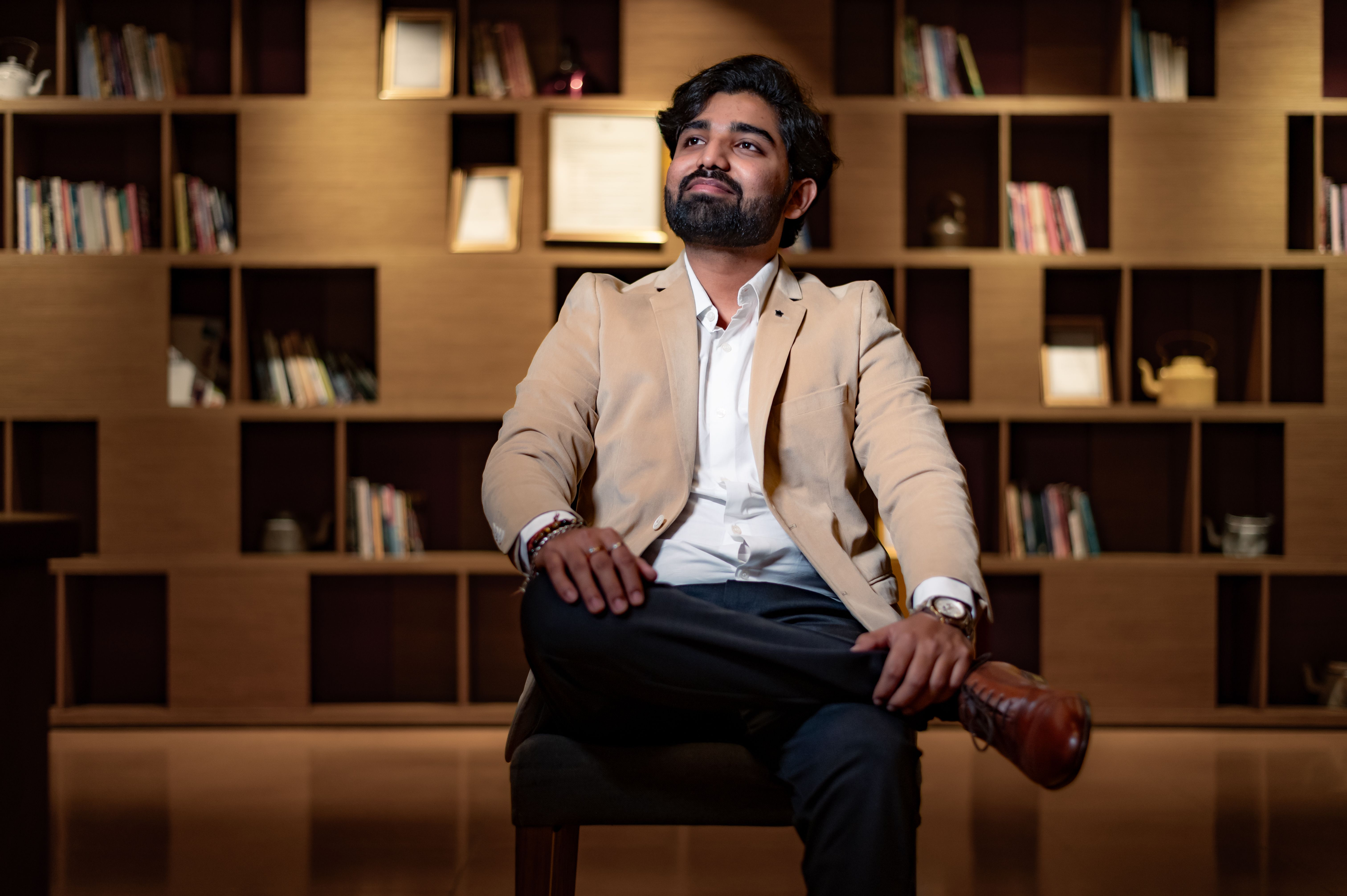
Dive into the groundbreaking world of AI-powered biography in 2026! Discover how artificial intelligence is transforming how we research, write, and experience life stories, from uncovering forgotten historical figures to crafting personalized memoirs. Explore the best AI tools and services revolutionizing digital legacy and learn how to choose the right platform to preserve your unique narrative.
Introduction to the Topic
Welcome to 2026, where the ink on the page is increasingly intertwined with algorithms and neural networks. For centuries, biographies have been the bedrock of human understanding, offering windows into the lives that shaped our world. But what happens when the very act of chronicling a life meets the formidable power of Artificial Intelligence? The answer, as we're witnessing across the publishing landscape, is nothing short of revolutionary. AI isn't just a tool for automation; it's becoming a collaborative partner, a meticulous historian, and even a creative muse in the realm of biographical writing. From unearthing obscure historical facts in mere seconds to assisting individuals in weaving their personal narratives with unprecedented ease, AI is redefining what a biography can be. This article will explore the cutting-edge ways AI is transforming the biographical genre, examining the opportunities it presents, the ethical dilemmas it sparks, and the best platforms and services available for anyone looking to engage with life stories in this exciting new era.
Backgrounds & Facts
The journey of biography began with oral traditions, evolving through handwritten manuscripts to printed volumes. Each technological leap, from the printing press to the internet, dramatically expanded its reach and form. Now, we stand at another precipice with AI. By 2026, AI's capabilities have matured significantly beyond simple data processing. Advanced Natural Language Processing (NLP) allows AI to sift through vast archives – digital libraries, historical documents, social media feeds, personal correspondences – at speeds unfathomable to human researchers. It can identify patterns, cross-reference disparate sources, and even synthesize information into coherent narratives.
Consider the scale: a historian might spend years in archives; an AI can scan and analyze billions of data points in minutes. This isn't just about speed; it's about uncovering previously overlooked connections or identifying biases in existing historical accounts. We're seeing AI models capable of generating preliminary drafts, summarizing complex events, and even suggesting narrative arcs based on analyzed data. Furthermore, the advent of sophisticated deepfake detection, ironically developed alongside deepfake generation, is crucial for verifying the authenticity of multimedia evidence, a growing concern in digital biographies. Conversely, the rise of "digital twin" projects allows individuals to curate vast amounts of personal data – photos, videos, written thoughts, voice recordings – to create an AI-powered interactive legacy. Imagine conversing with a digital representation of a historical figure, trained on their actual writings and speeches. While still in nascent stages for general public, specialized services are making this a reality for some, pushing the boundaries of what it means to "know" someone through their life story.
Expert Opinion / Analysis
The integration of AI into biographical writing isn't without its champions and critics. Dr. Evelyn Reed, a leading AI ethicist at the University of Cambridge, states, "AI offers unparalleled opportunities for democratizing history. It can bring marginalized voices to the forefront by analyzing neglected archives and identifying patterns that human biases might miss. However, we must remain vigilant about algorithmic bias; if the training data is biased, the output will be too." Her concern highlights the critical need for human oversight and diverse data sets.
From a literary perspective, acclaimed biographer Michael Chen notes, "AI is a phenomenal research assistant, a tireless fact-checker. But the soul of a biography – the empathy, the interpretation, the human connection – that still requires a human heart and mind. AI can give you the 'what,' but the 'why' and the 'how' in a truly compelling way, that's where the human writer's artistry truly shines." Publishers are also weighing in. Sarah Jenkins, CEO of 'Epoch Biographies,' observes, "We're investing heavily in AI tools for our editorial teams. It streamlines the initial research phase, allowing our biographers to focus on deeper analysis and narrative crafting. This isn't about replacing writers; it's about empowering them to produce richer, more accurate, and faster biographies. The market demands both speed and depth, and AI helps us deliver."
The ethical landscape is evolving rapidly. Questions around consent for using personal data, the ownership of AI-generated content, and the potential for 'deepfake biographies' – fictionalized narratives presented as fact – are paramount. Organizations like the 'Digital Legacy Council' are drafting guidelines for ethical AI use in personal and historical storytelling, emphasizing transparency, data privacy, and the clear delineation between AI-assisted and purely human-authored content. The consensus is clear: AI is here to stay, but its power must be wielded responsibly, with human values guiding its application.
💰 Best Options in Comparison (VERY IMPORTANT)
For those looking to leverage AI in their biographical endeavors, whether as a professional author, a family historian, or someone wishing to preserve their own legacy, the market in 2026 offers a burgeoning array of powerful solutions. Here are some of the leading options:
- AI-Assisted Research & Writing Platforms (e.g., Chronoscribe Pro, Veridian AI): These platforms are geared towards professional biographers, academics, and historical researchers. They offer advanced NLP for sifting through massive datasets, cross-referencing sources, identifying historical anomalies, and generating preliminary narrative outlines. Many include plagiarism checks and deepfake verification tools for multimedia sources. Think of them as hyper-efficient research partners that drastically cut down initial investigation time. Pricing typically involves annual subscriptions, ranging from $500 to $2000+, depending on data access and feature sets.
- Personal AI-Powered Memoir Services (e.g., StoryWeaver AI, MyLifeNarrative): Designed for individuals who want to write their own life stories but need guidance. These services often use AI-driven prompts, interview algorithms, and sentiment analysis to help users recall memories, structure their narrative, and even refine their prose. They can integrate with personal digital archives (photos, emails, social media) to enrich the story. Some offer ghostwriting features where AI generates text based on user input, which is then refined by the user or a human editor. Subscription models are common, from $20/month for basic tools to $100+/month for premium features and human editorial assistance.
- Digital Legacy & "AI Twin" Services (e.g., EchoLegacy, PersonaPreserve): These cutting-edge services aim to create a dynamic, interactive digital representation of an individual's life. By ingesting vast amounts of personal data – including voice recordings, videos, journals, and even brainwave patterns (with explicit consent) – AI models learn to mimic a person's communication style, knowledge base, and personality. The goal is to create an "AI twin" that future generations can interact with, offering unprecedented access to a loved one's wisdom and memories. These are often high-end, bespoke services, with costs ranging from several thousand to tens of thousands of dollars, often with ongoing maintenance fees.
- Ethical AI-Auditing & Verification Tools (e.g., VeriFact AI, TruthTeller Pro): While not directly writing biographies, these services are crucial for ensuring the integrity of AI-generated or AI-assisted content. They scan for algorithmic bias, verify data sources, and provide transparency reports on how AI was used in the biographical process. Increasingly, publishers and academic institutions are requiring such audits for works utilizing significant AI input. These are typically B2B services, priced on a per-project or institutional license basis.
To help you navigate these revolutionary tools, here's a comparison table:
| Service Type | Target User | Key Features | Typical Pricing | Ethical Considerations |
|---|---|---|---|---|
| AI-Assisted Research & Writing Platforms | Professional Biographers, Academics | Advanced NLP, data mining, source cross-referencing, narrative outlines, deepfake verification | $500 - $2000+ / year | Algorithmic bias, data privacy of subjects |
| Personal AI-Powered Memoir Services | Individuals, Family Historians | AI prompts, interview algorithms, sentiment analysis, personal archive integration, AI ghostwriting | $20 - $100+ / month | Data privacy of user, authenticity of AI-generated content |
| Digital Legacy & "AI Twin" Services | High-Net-Worth Individuals, Public Figures | Interactive AI twin, personality replication, vast data ingestion (voice, video, journals) | $5,000 - $50,000+ (plus maintenance) | Consent (pre-mortem), data security, potential for misuse/misrepresentation |
| Ethical AI-Auditing & Verification Tools | Publishers, Academic Institutions, Authors | Bias detection, source verification, transparency reports, content authenticity checks | Per-project or institutional license | Standardization of ethics, cost barrier for smaller entities |
Outlook & Trends
Looking ahead to the late 2020s and beyond, the integration of AI into biographical storytelling is only set to deepen. We can anticipate even more sophisticated AI models capable of nuanced emotional understanding, leading to biographies that aren't just factually rich but deeply resonant on a human level. The trend towards interactive biographies will accelerate, moving beyond static texts to immersive experiences where readers can "ask" historical figures questions or explore branching narratives based on different choices a person might have made.
Personalized biographies, tailored by AI to individual reader interests, could become commonplace. Imagine a biography of a historical figure that emphasizes their scientific contributions for a science enthusiast, or their artistic endeavors for an art lover, all generated dynamically. Furthermore, AI will play an increasingly vital role in preserving endangered languages and cultural heritage by documenting the life stories of elders and community leaders in forms accessible to future generations. The legal and ethical frameworks around AI and personal data will continue to evolve, with greater emphasis on digital rights, consent management, and the establishment of clear ownership for AI-assisted creative works. The human element, however, will remain paramount. AI will free biographers from rote tasks, allowing them to focus on the truly creative, interpretive, and empathetic aspects of storytelling, ensuring that while the tools may be artificial, the stories themselves remain profoundly human.
Conclusion
The year 2026 marks a pivotal moment in the history of biography. Artificial Intelligence is no longer a futuristic concept but a tangible, transformative force, offering unprecedented opportunities to explore, create, and preserve life stories. From empowering professional historians with advanced research capabilities to enabling individuals to craft their personal memoirs with ease, AI is democratizing access to biographical creation and consumption. While ethical considerations, such as data privacy and algorithmic bias, demand careful navigation, the potential for richer, more accurate, and more accessible narratives is immense. As we embrace this new era, the blend of human insight and AI efficiency promises a future where every life, no matter how grand or humble, can be meticulously documented and shared. Explore the options, engage with the technology, and consider how AI can help you uncover or craft the next great story.