
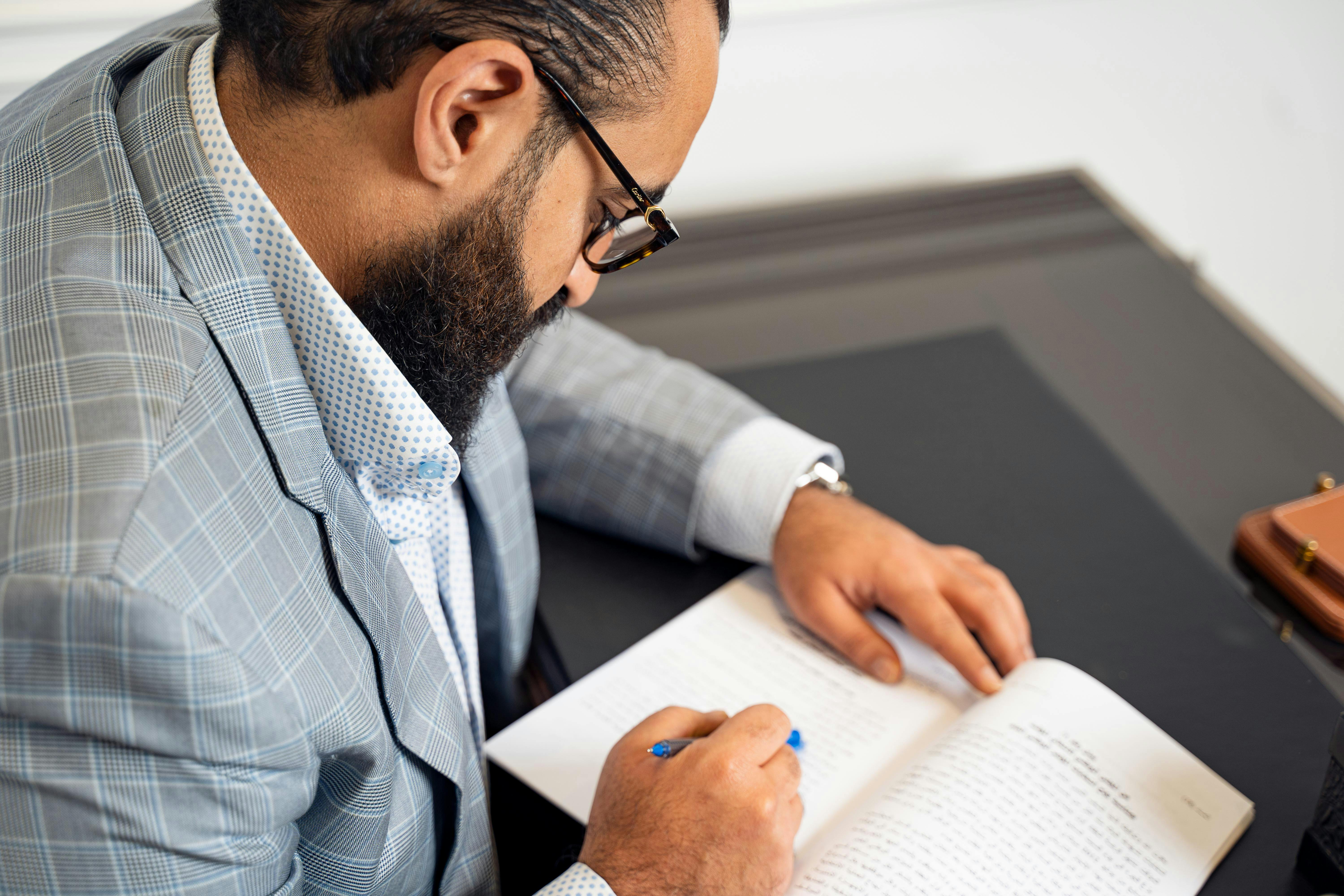
A biographer's most valuable material is often unpublished: letters, diaries and drafts. Copyright in those documents belongs to the writer's estate, and that ownership shapes which biographies get written.
Owning the paper is not owning the words
An archive may hold a collection of letters physically while the right to reproduce their text remains with the estate of the person who wrote them.
A researcher can therefore read a document, take notes and describe its contents, yet still be unable to quote it without permission.
Paraphrase is legally safer but weaker on the page, since the voice of a subject in their own words is precisely what readers of biography come for.
Unpublished material is also protected for longer in many jurisdictions than work that was published during the writer's lifetime.
Authorisation is an exchange
An authorised biographer receives access to private papers, introductions to family and friends, and permission to quote freely.
In return the estate usually expects to read the manuscript, and the arrangement carries an implicit understanding about tone even where no formal control is written into it.
That expectation need not be stated to be effective, because a biographer who has invested years in privileged access has a strong interest in not losing it.
Refusal is a usable tool
An estate that dislikes a proposed book can decline permission to quote, discourage interviewees and restrict access to papers it controls.
Unauthorised biographies are still written and published, working from public records, published sources and witnesses outside the family's influence.
They tend to be more critical and less textured, which is a direct consequence of what their authors were prevented from using.
Estates have their own divisions
Control frequently passes to relatives with conflicting views about what should be public, and disagreements can freeze access for years.
Some estates place papers under embargo until a set date, which delays serious work until the people who might be embarrassed are no longer living.
Others sell collections to institutions with conditions attached, so the terms of a decades-old sale still govern what a biographer may quote today.
Time eventually removes the obstacle
Copyright in unpublished material expires, at which point the estate's leverage over quotation ends and the archive opens to anyone.
This is why definitive biographies of some figures appear generations after their deaths, and why the first books about a life are rarely the most complete.