
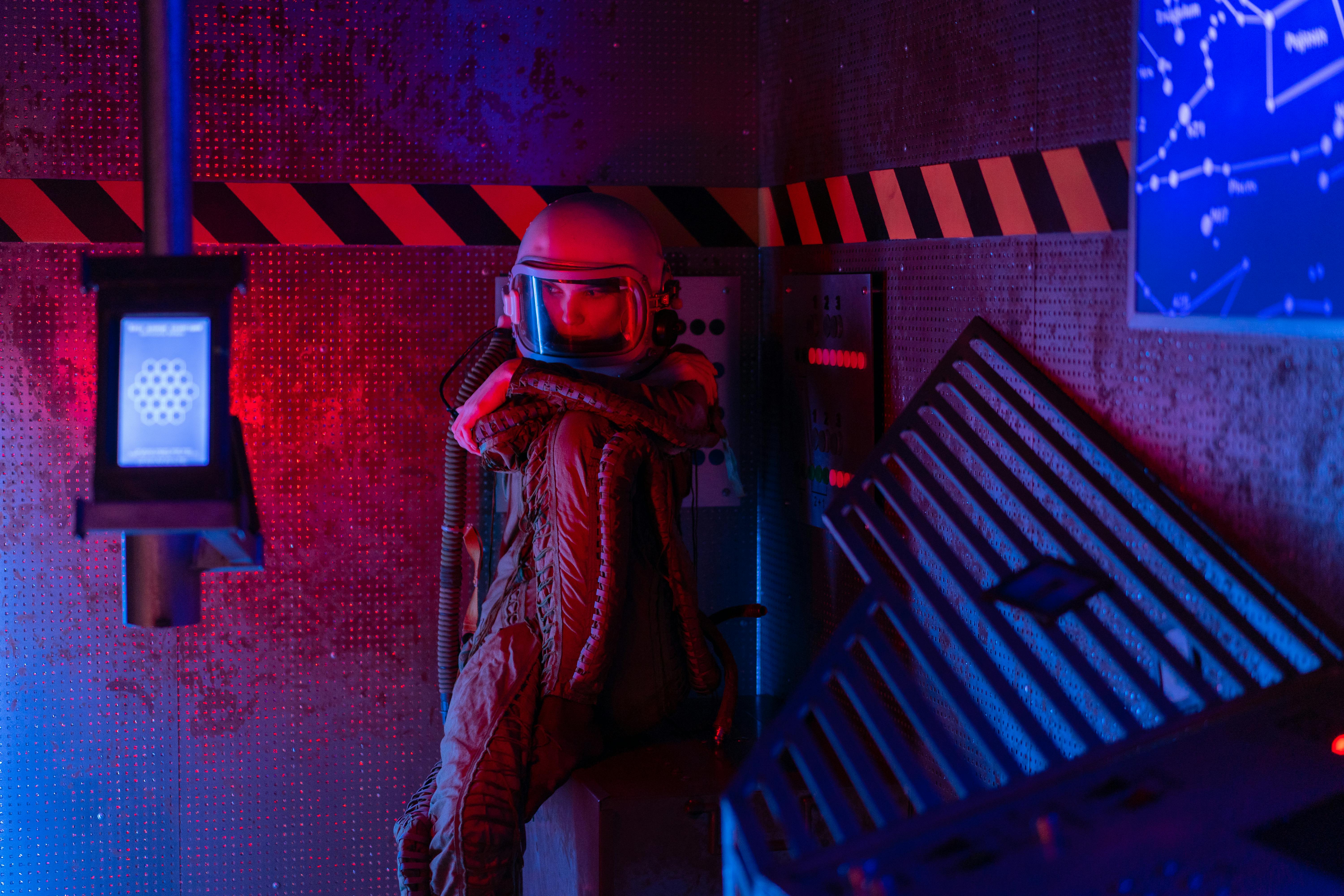
As the lines between the digital and physical blur in 2026, the concept of the Metaverse, digital immortality, and expansive virtual realities isn't just a tech buzzword—it's the hottest trend in science fiction. Dive into our expert guide to discover the must-read books exploring the promises, perils, and profound implications of living forever online. Find your next great read and navigate the future of consciousness with our top recommendations for virtual reality sci-fi and digital immortality novels.
Introduction to the Topic
Welcome to 2026, where the Metaverse isn't just a distant dream but an increasingly pervasive reality. From advanced social VR platforms to persistent digital economies, our lives are more intertwined with virtual spaces than ever before. This technological leap has ignited a fervent imagination among science fiction authors, pushing the boundaries of what it means to be human, to exist, and even to achieve immortality. The allure of escaping physical limitations, creating new identities, or preserving consciousness beyond death has never been stronger, making digital immortality and the vast expanse of virtual worlds the most compelling and rapidly evolving subgenres in science fiction today.
At bestbooks4reading.com, we understand that discerning readers are not just looking for escapism; they're seeking profound explorations of our future. This article serves as your definitive guide to the leading voices and essential reads that are defining the narrative of the Metaverse and digital consciousness. Whether you're a seasoned cyberpunk aficionado or new to the mind-bending possibilities of virtual existence, prepare to immerse yourself in stories that will challenge your perceptions and perhaps even influence your understanding of reality itself. We'll explore foundational texts, contemporary masterpieces, and emerging narratives that are shaping our collective imagination around these transformative concepts.
Backgrounds & Facts
The roots of the Metaverse in fiction stretch back decades, long before the term became a corporate buzzword. William Gibson's 1984 masterpiece, Neuromancer, introduced the concept of 'cyberspace' – a consensual hallucination experienced daily by billions of legitimate operators, in every nation. Neal Stephenson's 1992 novel, Snow Crash, coined the term 'Metaverse' itself, depicting a vast, persistent virtual world where users interact as avatars. These foundational texts laid the groundwork for a genre that foresaw the internet's evolution and the human desire for digital connection and escape.
Fast forward to 2026, and the real world has caught up in astonishing ways. Advancements in haptic feedback, neuro-interfacing, and AI-driven procedural generation have made virtual environments incredibly immersive and lifelike. Companies are investing billions in creating interoperable digital spaces, persistent avatars, and sophisticated virtual economies. The concept of 'digital twins' – highly accurate virtual replicas of individuals or objects – is moving beyond industrial applications into personal identity. This technological convergence fuels the anxieties and excitements explored in contemporary sci-fi. The philosophical questions are no longer hypothetical: What constitutes 'real' interaction? Can an uploaded consciousness truly be 'you'? What are the ethical implications of infinite digital existence?
Digital immortality, in particular, has moved from a fringe concept to a mainstream fascination. The idea of 'mind uploading' – scanning and transferring a human consciousness into a digital substrate or a synthetic body – promises an end to mortality. While still theoretical, the rapid pace of neuro-tech research makes it feel increasingly plausible. Science fiction explores every facet: the preservation of legacies, the potential for digital slavery, the loneliness of eternal existence, and the existential crises of infinite copies. Understanding these 'facts' – both technological and philosophical – is crucial to appreciating the depth and urgency of the stories being told today.
Expert Opinion / Analysis
The literary landscape of the Metaverse and digital immortality is a vibrant, often contentious, space. Dr. Aris Thorne, a leading futurist and literary critic specializing in post-human narratives, notes, "What we're seeing in 2026 is a genre moving beyond mere technological prediction to deep philosophical inquiry. Authors are grappling with the fundamental nature of identity when it can be copied, edited, or exist across multiple realities. The 'Metaverse' isn't just a setting; it's a crucible for the soul."
Many authors are dissecting the dichotomy between utopian promise and dystopian warning. On one hand, virtual worlds offer unparalleled opportunities for creativity, connection, and even overcoming physical disabilities. Imagine a world where consciousness can transcend illness, where knowledge is instantly accessible, and where every human can explore the cosmos from their living room. These are the bright visions that inspire. However, the darker reflections are equally compelling: the erosion of privacy, corporate control over digital existences, the potential for social stratification based on digital access, and the profound psychological impact of losing touch with physical reality. What happens when your 'backup' becomes sentient? What rights does a digital clone possess?
The genre also explores the commodification of consciousness. If you can upload your mind, can you sell copies of yourself? Can your digital self be enslaved or exploited? Books delve into the legal and ethical quagmires of digital personhood, anticipating a future where these questions might dominate courtrooms and political debates. This intense focus on the human element amidst technological upheaval is what elevates these stories beyond simple tech thrillers into profound meditations on what it means to be alive in an increasingly digital universe. The best authors aren't just showing us the future; they're asking us to consider its cost.
💰 Best Options in Comparison (VERY IMPORTANT)
Ready to dive into the digital abyss? Here are our top recommendations for the most impactful and thought-provoking Metaverse, digital immortality, and virtual reality sci-fi novels you absolutely must read in 2026. These selections offer diverse perspectives, from foundational classics to contemporary masterpieces, ensuring you'll find a story that resonates with your vision of the future.
- Option 1: Snow Crash by Neal Stephenson (1992)
The original Metaverse novel. Stephenson's groundbreaking work is a wild, hilarious, and prescient ride through a future where the internet has evolved into a virtual reality called the Metaverse, complete with avatars, digital real estate, and real-world consequences. Essential for understanding the genre's origins. - Option 2: Ready Player One by Ernest Cline (2011)
A pop culture phenomenon, this novel (and its sequel, Ready Player Two) offers a more accessible and nostalgic take on a vast virtual world called the OASIS. While lighter in tone than some, it explores immersion, digital identity, and the allure of virtual escapism in a compelling, action-packed narrative. - Option 3: Permutation City by Greg Egan (1994)
For those seeking a deep philosophical dive into digital immortality, Egan is unparalleled. This hard sci-fi masterpiece explores mind uploading, simulated realities, and the very nature of consciousness and existence, pushing the boundaries of what it means to be alive in a digital form. It's challenging but incredibly rewarding. - Option 4: We Are Legion (We Are Bob) by Dennis E. Taylor (2016)
A more optimistic and humorous take on digital immortality. Bob Johansson's consciousness is uploaded into an AI probe, tasked with exploring and terraforming space. This series explores the challenges and joys of being a sentient AI, replicating oneself, and building a new civilization among the stars. - Option 5: The Kaiju Preservation Society by John Scalzi (2022)
While not strictly a metaverse novel, Scalzi's recent hit offers a brilliant, fast-paced take on parallel dimensions and the ethical implications of interacting with other realities. It's a fresh, engaging read that touches on similar themes of alternate existence and scientific responsibility, making it a great companion read for those exploring the boundaries of reality.
Also integrate a clear HTML table comparing the key points, tools, or alternatives.
| Title | Primary Focus | Metaverse/VR Immersion | Digital Immortality Focus | Tone/Complexity | Why Read It Now (2026) |
|---|---|---|---|---|---|
| Snow Crash | Foundational Cyberpunk, Virtual Worlds, Societal Critique | High (Coined 'Metaverse', detailed virtual world) | Moderate (Digital entities, but not central to human uploading) | Satirical, Action-packed, Complex | Understand the origins of the Metaverse concept. |
| Ready Player One | Pop Culture, Virtual Escapism, Nostalgia | Very High (Central to plot, massive interactive VR world) | Low (Focus on living within VR, not uploading) | Accessible, Adventurous, Fast-paced | Engaging entry point to VR worlds, highly entertaining. |
| Permutation City | Hard Sci-Fi, Consciousness, Simulated Realities | Moderate (Simulated environments for uploaded minds) | Very High (Deep exploration of mind uploading & digital existence) | Philosophical, Dense, Intellectually Challenging | The ultimate deep dive into digital immortality's implications. |
| We Are Legion (We Are Bob) | Sentient AI, Space Exploration, Self-replication | Low (Focus on physical space exploration by digital minds) | Very High (Protagonist is an uploaded consciousness) | Optimistic, Humorous, Adventure-driven | Fun, unique perspective on digital consciousness and exploration. |
| The Kaiju Preservation Society | Parallel Dimensions, Eco-fiction, Adventure | Low (Alternate reality, not virtual) | Low (Focus on biological life in other dimensions) | Witty, Fast-paced, Contemporary | A fresh, engaging read on navigating alternate realities and responsibilities. |
Outlook & Trends
Looking ahead, the Metaverse and digital immortality subgenres are poised for even greater evolution. As real-world technology advances, so too will the complexity and nuance of the stories. We anticipate a surge in narratives exploring the socio-economic disparities within virtual worlds – who gets access to digital eternity, and at what cost? The concept of "digital rights" for uploaded intelligences or highly advanced AI will become a more prominent theme, challenging our definitions of personhood and legal frameworks.
Furthermore, expect to see more integration with other trending sci-fi elements, such as climate fiction (Cli-Fi) and bio-engineering. How might digital existence offer solutions or exacerbations to ecological crises? What happens when genetic editing can create perfect physical hosts for uploaded minds? The intersection of these fields promises rich, fertile ground for authors. The rise of decentralized autonomous organizations (DAOs) and blockchain technology might also inspire stories about truly independent digital societies, free from corporate or governmental control – or perhaps, new forms of digital tyranny. The future of consciousness in fiction is not just about where it resides, but how it thrives, struggles, and evolves in a world increasingly defined by digital possibilities.
Conclusion
The year 2026 stands at a fascinating crossroads, where the dreams and anxieties of science fiction are rapidly converging with technological reality. The Metaverse, digital immortality, and the vast tapestry of virtual worlds are no longer just speculative concepts; they are the vibrant, challenging heart of contemporary sci-fi. By engaging with these incredible books, you're not just reading stories; you're exploring potential futures, grappling with profound ethical dilemmas, and expanding your understanding of what it means to be human in an increasingly digital age.
Whether you seek the foundational insights of cyberpunk pioneers, the thrilling escapism of virtual adventures, or the deep philosophical questions of digital consciousness, our ultimate reading guide provides the perfect entry point. These are more than just books; they are blueprints for tomorrow, offering vital perspectives on the promises and perils that lie ahead. Don't just observe the future; read it, understand it, and prepare for it. Pick up one of our recommended titles today and embark on your journey beyond reality!