
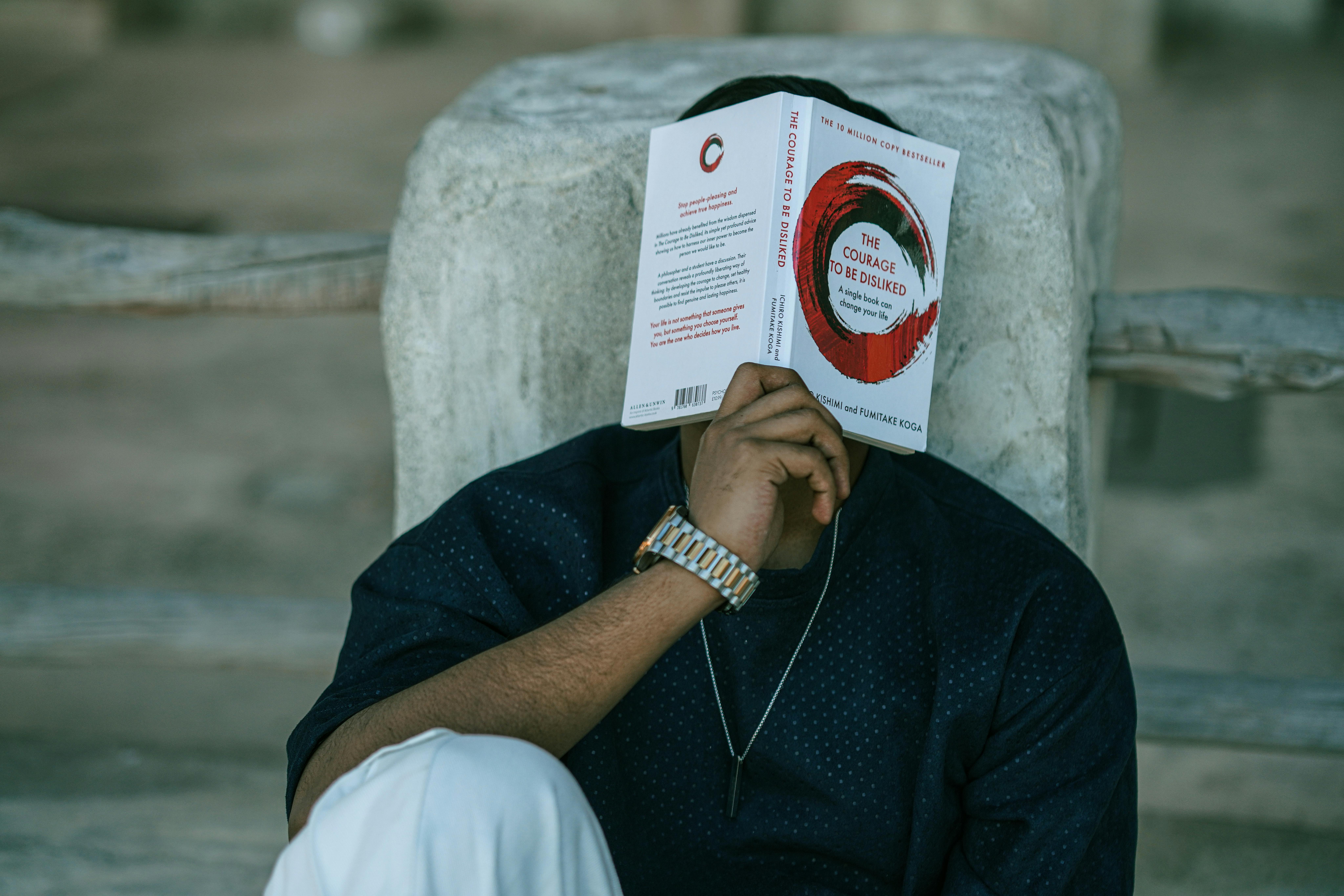
In 2026, the quest for genuine personal growth collides with digital overwhelm. Discover how cutting-edge AI-powered self-help books and intelligent wellness platforms are transforming productivity, emotional intelligence, and stress management. Explore our top recommendations and compare the best tools to invest in your future, optimize your mental clarity, and achieve mindful living.
Introduction to the Topic
Welcome to 2026. The world whirls faster than ever, driven by unprecedented technological leaps and a constant influx of information. While our digital lives promise connection and efficiency, they often deliver overwhelm, decision fatigue, and a gnawing sense of 'never enough.' The paradox is stark: we crave deeper personal growth, enhanced well-being, and genuine connection, yet we're increasingly tethered to screens that often drain our mental reserves. Traditional self-help, with its one-size-fits-all advice, often struggles to cut through the noise and provide truly personalized, actionable guidance.
But what if the very technology contributing to our digital dilemma could also be its most powerful solution? Enter the AI revolution in self-help. In 2026, we’re witnessing a profound shift from generic advice to hyper-personalized, data-driven strategies for personal development. This isn't just about reading a book; it's about engaging with an ecosystem of knowledge and tools that understand your unique patterns, adapt to your progress, and guide you with unprecedented precision. This article will delve into how AI is redefining the self-help landscape, offering a roadmap to smarter living, enhanced mental clarity, and sustainable well-being in an increasingly complex world. Prepare to unlock your full potential, not by disconnecting, but by intelligently leveraging the power of AI.
Backgrounds & Facts
The self-help industry has always been a beacon for individuals seeking improvement, growing into a multi-billion dollar market globally. From ancient philosophies to modern psychology, humanity's quest for betterment is eternal. However, the early 2020s brought new challenges: the lingering effects of a global pandemic, escalating economic anxieties, and an unprecedented surge in digital consumption. Statistics from 2025 indicated that the average adult spent over 7 hours daily interacting with digital devices, leading to a documented rise in digital burnout, anxiety, and sleep disorders.
Simultaneously, Artificial Intelligence has moved beyond science fiction into ubiquitous application. By 2026, AI algorithms power everything from predictive analytics in finance to personalized learning platforms in education. The self-help sector, initially slow to adopt, is now embracing AI with open arms. Traditional self-help books, while valuable, often provide generic frameworks that require significant self-discipline and interpretation. Many readers struggle to apply broad principles to their specific life circumstances, leading to a high drop-off rate and a sense of failure.
This is where AI intervenes. Instead of a static text, AI-enhanced self-help offers dynamic, adaptive experiences. Imagine a book that recommends specific exercises based on your daily mood logs, or an app that adjusts your productivity schedule after analyzing your energy peaks and troughs. This shift from 'information consumption' to 'personalized intervention' is the core of the 2026 self-help paradigm. It leverages vast datasets, natural language processing, and machine learning to offer insights that are not just relevant, but deeply personal, fostering greater engagement and more sustainable results. The market is exploding with new titles and platforms promising to harness this power, making it crucial for consumers to understand what truly delivers value.
Expert Opinion / Analysis
“The integration of AI into self-help isn't just an evolution; it's a revolution in how we approach personal development,” states Dr. Evelyn Reed, a leading neuro-psychologist and author specializing in digital well-being. “For decades, self-help relied on retrospective wisdom. Now, AI provides prospective guidance. It can analyze your unique patterns – from sleep cycles to communication styles – and offer interventions that are precisely tailored to your cognitive architecture and emotional state. This moves us from a reactive coping mechanism to proactive, data-driven personal growth.”
Dr. Reed emphasizes that AI's strength lies in its ability to process information at a scale and speed impossible for a human. “Imagine an AI personal coach that has read every major psychological study, analyzed millions of success stories, and understands your biometric data from your wearable. It can identify subtle correlations between your sleep, stress levels, and productivity, then recommend a specific chapter from a book, a guided meditation, or even a micro-habit change, all in real-time. This level of personalization was unimaginable just a few years ago.”
However, experts caution against blind reliance. “AI is a powerful augment, not a replacement for human intention and critical thinking,” warns Dr. Kenji Tanaka, an AI ethicist. “While algorithms can provide incredible insights, the ultimate responsibility for growth, ethical decision-making, and emotional connection still rests with the individual. There's also the crucial aspect of data privacy and algorithmic bias. Users must be discerning about the platforms and books they choose, ensuring transparency in how their data is used and that the recommendations are genuinely supportive, not manipulative.” The consensus among thought leaders is that the most effective AI-powered self-help combines cutting-edge technology with robust psychological principles and a strong ethical framework, always keeping the human element at its core.
💰 Best Options in Comparison (VERY IMPORTANT)
Navigating the burgeoning landscape of AI-powered self-help books and digital wellness platforms can be daunting. To help you make informed purchasing decisions and truly invest in your future, we've curated a list of the top contenders in 2026. These options stand out for their innovative use of AI, evidence-based methodologies, and significant user impact.
- Book: "The Algorithmic Self: Harnessing AI for Inner Peace" by Dr. Anya Sharma (2026 Edition)
This groundbreaking book explores how principles derived from AI and machine learning can be applied to achieve mindfulness, stress reduction, and digital detox. Dr. Sharma, a pioneer in cognitive AI, translates complex concepts into actionable strategies for managing information overload and cultivating mental clarity. The 2026 edition includes access to an exclusive companion web portal featuring AI-guided reflection prompts and a personalized digital wellness assessment tool. - Book: "Code Your Habits: AI-Driven Routines for Peak Performance" by Leo Chen (2025)
Leo Chen, a renowned productivity expert and former Google engineer, offers a pragmatic guide to building unbreakable habits and achieving ambitious goals. This book integrates AI-inspired frameworks for habit stacking, reward optimization, and obstacle prediction. It comes with a unique QR code for a 3-month trial of the "HabitForge Pro" AI platform, allowing readers to directly implement and track the book's strategies with intelligent feedback. - AI Platform: "ZenithMind AI" (Premium Subscription)
ZenithMind AI is a revolutionary personalized meditation and cognitive behavioral therapy (CBT) app. Utilizing advanced neural networks, it adapts meditation scripts and therapeutic exercises based on user input (mood logs, stress levels, even biometric data from integrated wearables). Its AI coach provides real-time feedback and suggests micro-interventions throughout the day to manage anxiety, improve focus, and enhance emotional regulation. - AI Platform: "CognitoFlow: Your Adaptive Learning Companion" (Annual Subscription)
Designed for continuous learners and professionals, CognitoFlow uses AI to optimize skill acquisition and mental agility. It curates personalized learning paths from a vast library of expert content, identifies knowledge gaps, and uses spaced repetition algorithms to ensure long-term retention. Its unique "Cognitive Boost" feature, powered by AI, suggests specific exercises to enhance memory, problem-solving, and critical thinking based on your performance data.
To help you compare these powerful tools and books, here's a detailed breakdown:
| Option | Primary Focus | Key AI Feature | Best For | Price/Model (2026 Est.) |
|---|---|---|---|---|
| "The Algorithmic Self" (Book) | Digital Mindfulness, Stress Reduction | AI-guided reflection prompts, digital wellness assessment portal | Readers seeking to manage digital overwhelm and cultivate inner calm | $29.99 (Paperback/eBook) |
| "Code Your Habits" (Book + App Trial) | Productivity, Habit Formation, Goal Setting | AI-inspired frameworks, 3-month HabitForge Pro trial (adaptive coaching) | Individuals focused on building routines and achieving performance goals | $34.99 (Hardcover/eBook + Trial) |
| ZenithMind AI (Platform) | Emotional Regulation, CBT, Meditation | Adaptive meditation scripts, AI coach with real-time feedback, biometric integration | Anyone seeking personalized mental wellness support and stress management | $19.99/month or $199/year (Premium) |
| CognitoFlow (Platform) | Skill Acquisition, Mental Agility, Lifelong Learning | Personalized learning paths, knowledge gap identification, Cognitive Boost exercises | Professionals and learners aiming to master new skills and enhance cognitive function | $24.99/month or $249/year (Annual) |
Whether you prefer the structured wisdom of a book or the dynamic interaction of an app, these options represent the pinnacle of AI-powered self-help in 2026. Consider your primary goals – be it stress reduction, productivity, or continuous learning – and choose the solution that best aligns with your personal growth journey.
Outlook & Trends
The future of self-help in an AI-driven world is incredibly dynamic and full of potential. By 2030, we anticipate even deeper integration of AI into our personal development journeys. One major trend is the rise of “AI-augmented authors,” where AI systems assist writers in crafting more impactful and personalized content by analyzing vast psychological datasets and reader feedback. This could lead to books that feel uncannily relevant to individual experiences even before publication.
Furthermore, expect seamless integration with biometric data. Wearable tech will become even more sophisticated, providing real-time physiological insights (heart rate variability, skin conductance, brainwave patterns) that AI can use to recommend immediate interventions – a micro-meditation, a breathing exercise, or a prompt to step away from the screen – directly influencing your state in the moment. The concept of a “metaverse of mindfulness” is also gaining traction, where immersive digital environments, guided by AI, offer therapeutic experiences, virtual retreats, and interactive exercises for mental and emotional well-being.
Ethical considerations will continue to evolve, with increased focus on data governance, algorithmic transparency, and preventing over-reliance on AI for emotional support. We'll likely see the emergence of certified "AI Wellness Coaches" who are trained to bridge the gap between human empathy and algorithmic precision. The human element, far from being replaced, will be elevated, focusing on areas where AI cannot compete: genuine connection, nuanced understanding, and the unique wisdom of lived experience. The most successful self-help tools of tomorrow will master this delicate dance between advanced technology and profound humanity.
Conclusion
As we navigate the complexities of 2026, the promise of AI-powered self-help offers a compelling path forward. No longer must we grapple with generic advice or struggle to implement broad strategies. The new era of personal growth is intelligent, adaptive, and deeply personalized, offering unprecedented opportunities to optimize our well-being, enhance our productivity, and cultivate true mental clarity.
From groundbreaking books that integrate AI principles into actionable wisdom to sophisticated platforms that act as your personal cognitive coach, the tools are now available to transform your relationship with technology and, more importantly, with yourself. The key is mindful engagement: choose wisely, understand the mechanisms, and remember that AI is a powerful assistant, not a substitute for your own agency and intention.
Don't let digital overwhelm dictate your potential. Embrace the future of self-help. Explore the recommended books and platforms today, invest in these transformative resources, and embark on a journey towards a smarter, more balanced, and profoundly fulfilling life. Your 2026 self will thank you.